 Free returns
 180-day guarantee
 10% off your first order


Keeping chickens is one of the most rewarding experiences you can have as a pet owner, but a happy, healthy flock doesn't happen by accident. A consistent daily routine sets you and your chickens up for success, and it doesn't have to take long. From letting your hens out in the morning to securing the coop at night, this guide covers every task you need to do each day and explains why each one matters.
Whether you're just getting started or you've been keeping chickens for years, building a reliable daily routine is the single best thing you can do for your flock.
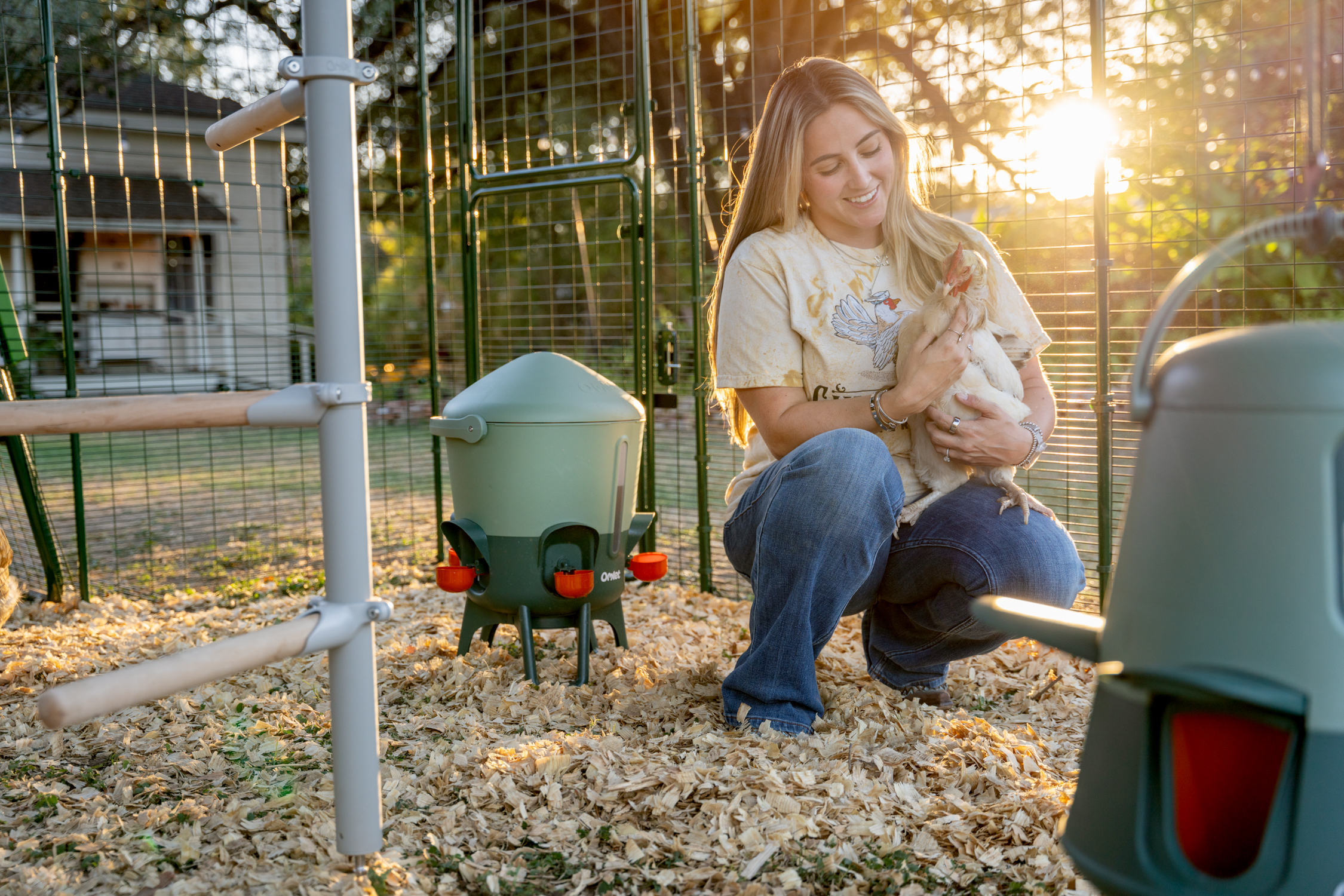
Why Daily Chicken Care Matters
Chickens are hardy animals, but they still rely on you for several of their daily needs. Chickens need you for food, water, safety, and monitoring their health.
There are four core reasons a daily routine is so important:
Health: Regular observation is the most effective way to catch illness early. Chickens instinctively hide signs of sickness, so daily checks give you the best chance of spotting subtle changes before they become serious problems.
Routine: Chickens are creatures of habit. A predictable daily schedule reduces stress and helps your hens feel secure, which directly supports egg production and overall wellbeing.
Bonding: Spending time with your flock every day builds familiarity and trust. The better you know your chickens' normal behaviour, the faster you'll notice when something is off.
Safety: A daily check of the coop and run helps you spot any damage, gaps, or potential entry points for predators before they become a threat.
The good news is that a well-structured daily routine takes no more than 15 minutes once you know what you're doing.
Letting Your Hens Out in the Morning
Opening the coop is one of the first things you'll do each day, and your chickens will be ready and waiting. Hens are naturally early risers, eager to get outside as soon as the sun comes up. Keeping them confined to the coop for too long after dawn can cause stress, especially in warmer months when sunrise comes early.
Chickens need access to fresh air, natural light, and space to move around. Getting outside in the morning allows them to start foraging, dust bathing, and socializing, all of which are natural behaviours that contribute to their wellbeing.
Tip: If early mornings are a challenge, an Automatic Chicken Coop Door can open the coop at a set time each morning without you having to be there. This is especially useful in summer when sunrise can be well before most people are awake.
Do a Quick Visual Check as They Come Out
As your hens file out of the coop, take a moment to watch each one. This is one of the easiest and most valuable health checks you can do. Look for:
Any hens that are reluctant to leave the coop
Unusual movement or limping as they walk out
Hens that appear fluffed up, hunched, or lethargic
Any obvious physical changes since the day before
This 60-second observation takes no effort and can be the difference between catching an issue early and missing it entirely.
Morning Health Checks
A thorough health check each morning is one of the most important habits you can build as a chicken keeper. Chickens are prey animals and instinctively mask signs of illness, which means by the time a hen looks obviously unwell, the problem may already be advanced. Daily observation gives you the best chance of catching issues early.
What to Look For
Work through this checklist each morning as your hens are active:
Gait and movement: Watch how each hen walks as she leaves the coop. Limping, staggering, or reluctance to put weight on a leg all warrant a closer look.
Crop check: Gently feel each hen's crop in the morning. It should be empty or nearly empty, indicating she digested her food overnight. A full, hard, or sour-smelling crop can signal a problem.
Physical appearance: Look for droopy wings, a hunched posture, pale comb, or laboured breathing.
Droppings: Unusual droppings, whether watery, bloody, or discoloured, can be an early indicator of illness or parasites.
Sounds: Listen for any abnormal vocalizations, wheezing, or rattling that might suggest a respiratory issue.
For a full breakdown of what healthy hens look like day to day, Omlet's At-a-Glance Health Checks guide covers eyes, feathers, legs, and more.
Isolating a Sick Hen
If you notice a hen that seems unwell, separate her from the rest of the flock as soon as possible. Illness can spread quickly in a confined group, and a sick hen may also be bullied by the others.
The Omlet Eglu Go is a practical second coop for isolation. It's compact enough to set up separately but still gives the hen her own sheltered space and run to explore while you monitor her closely. If a poorly hen’s condition doesn't improve within 24 to 48 hours, a visit to the vet is the right call.
Collecting Eggs
Collecting eggs is one of the most enjoyable parts of keeping chickens, and it's also one of the most important daily tasks. Leaving eggs in the nesting box for too long can encourage egg-eating behaviour, attract pests, and give broody hens encouragement to sit tight.
Aim to visit the nesting boxes at least once a day, ideally in the late morning or early afternoon when most hens have finished laying for the day.
How to Handle and Store Eggs
Check for cracks: Cracked eggs (with membrane still intact) should be used immediately and not stored, as bacteria can enter through a damaged shell.
Clean eggs: Eggs with a clean shell can be stored as they are. For dirty eggs, wipe them down with a dry cloth or slightly dampened paper towel. Avoid soaking eggs in water, as this can strip the natural protective coating on the shell.
Storage: Unwashed eggs can be stored at room temperature for a couple of weeks. Washed eggs should go in the refrigerator.
To learn more about chicken eggs, check out our blog post.
Dealing with Broody Hens
A broody hen will sit on a clutch of eggs and refuse to move, even if those eggs aren't fertilized. Gently lift the broody hen out of the nesting box to collect the eggs underneath. If broodiness becomes persistent, there are steps you can take to discourage it.
Nesting Box Ratios
Overcrowded nesting boxes can lead to broken eggs and hens laying on the floor of the coop. A good rule of thumb is one nesting box for every three to four hens. The Omlet Eglu Pro comes with three nesting boxes and is suitable for up to 10 large hens. Plus, egg collection is easy from the separate side egg-port door.

Checking Food and Water
Chickens need constant access to fresh food and clean water during the day. Checking and replenishing both should be a non-negotiable part of your morning routine. A shortage of either can quickly lead to health problems and a noticeable drop in egg production.
Food
Check that there is enough feed to last the day, and top it up as needed. Before adding fresh feed, remove any old or mouldy food from the feeder. Mould can cause serious digestive issues, so this step is worth the extra minute.
If your chicken feeder produces lots of spill around it you may wish to take a couple of minutes to scoop up and clean away the mess so as to not attract pests. Or you can save yourself this extra task and opt for the Omlet No Waste Chicken Feeder that is specially designed to stop hens from spilling their food, ensuring they eat every ounce.
To save even more time, the Omlet Smart Feeder sends a notification to your phone when the feeder needs refilling, so you know each day that your flock has enough to eat without having to check.
Water
Inspect the chicken drinker each morning and refill it with fresh, clean water. Dirty water is a common source of disease, so if the water looks cloudy or has debris in it, empty and clean the drinker completely before refilling. For more on keeping your flock well hydrated year-round, take a look at our chicken water guide.
A few seasonal considerations to keep in mind:
In summer chickens can drink double their usual intake due to the heat. Check water levels more frequently, and consider adding a second waterer.
In winter water can freeze overnight. Check first thing in the morning and break up any ice. On extremely cold days you may also need to check and break ice throughout the day.
The Omlet Insulated Chicken Drinker is designed with high-performance insulation to keep water fluid down to -10°C for up to 10 hours, making winter mornings considerably less of a hassle and reducing the need for frequent checks on freezing days. That same insulation keeps the water at the optimal drinking temperature in hot weather too.
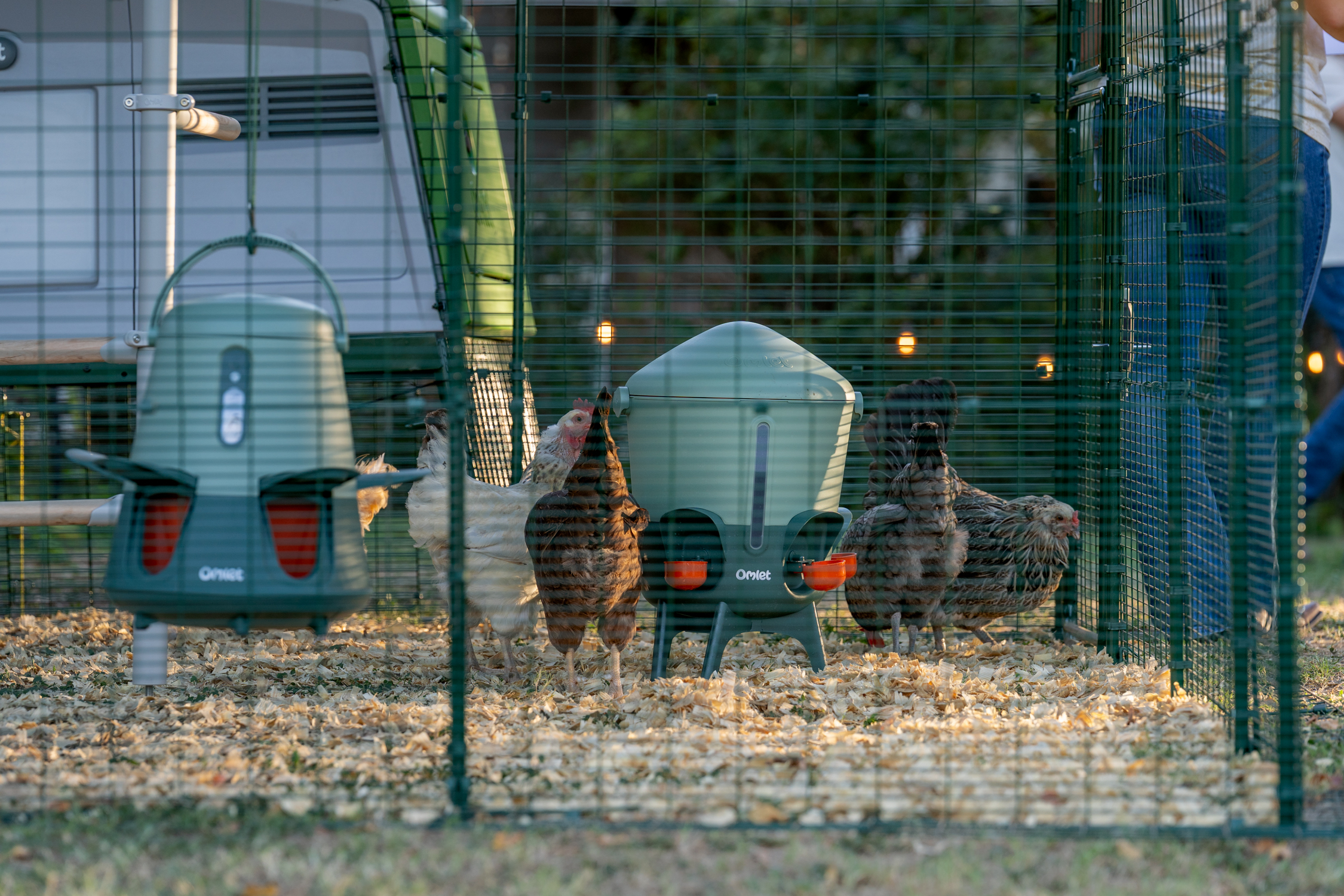
Afternoon Treats: Corn and Flock Time
Providing an afternoon treat isn't strictly necessary, but it's a practice many experienced chicken keepers swear by, and for good reason. Scattering a small amount of cracked corn or whole corn in the run about an hour before sunset gives your hens an energy boost that helps them stay warm overnight. Corn is digested slowly, generating heat as it breaks down, which is particularly useful during colder months.
There are a few other benefits worth mentioning:
It encourages your hens to return to the coop at dusk. If your chickens associate the coop area with an afternoon treat, they'll naturally start heading back at the right time.
It's a great opportunity for observation. Watching your hens interact during treat time gives you another chance to spot any changes in behaviour, appetite, or movement.
It strengthens your bond with the flock. Chickens quickly learn to associate you with good things, which makes handling them easier and more enjoyable.
Keeping Treats Clean and Engaging
Rather than scattering corn directly on the ground, consider using an Omlet Peck Toy to dispense treats. It keeps the food off the ground, reduces mess and waste, and gives your hens something to work for, which is a form of enrichment in itself.
One important note: treats should make up no more than 10% of your hens' daily diet. Too many treats, especially high-energy ones like corn, can lead to nutritional imbalances and weight gain over time.
Shutting Your Chickens Away at Night
Chickens naturally return to the coop as the light fades, which makes the evening routine relatively straightforward. That said, there are a few important steps to complete before you call it a night.
Count Your Flock
Before closing the coop, do a quick headcount to make sure every hen has made it back inside. It's easy for a chicken to get distracted or find a spot to roost outside the coop, especially during warmer months. A hen left outside overnight is extremely vulnerable to predators.
Secure the Coop
Once all your hens are inside, close and secure the coop door. A properly latched door is your flock's primary defence against night-time predators. If you're not always home at dusk, an Omlet Automatic Chicken Coop Door can close the coop at a pre-set time or as soon as the light sensor detects darkness, giving you peace of mind whether you're home or not.
Check the Run for Vulnerabilities
Do a quick walk around the coop and run to check for:
Any new holes or gaps in the fencing or mesh
Loose fixings or damaged panels
Signs of digging around the perimeter, which can indicate a predator has been testing the run
Catching a weak point early is far better than discovering it after the fact. Omlet coop runs and walk-in chicken runs feature anti-tunnelling skirting and are made from heavy-duty steel mesh, which significantly reduces the risk, but a nightly visual check is still good practice.
Additional Tips for Daily Chicken Care
Once you have the core routine down, a few extra habits can make a real difference to the long-term health and happiness of your flock.
Habit |
Why it matters |
|---|---|
Stick to a routine |
Chickens thrive on consistency. Feeding, letting out, and closing up at the same time each day reduces stress and helps regulate laying patterns. |
Keep records |
A simple log of egg production and any health observations helps you spot trends over time and gives useful context if you ever need to visit the vet. |
Clean feeders and drinkers regularly |
Bacteria and mould build up quickly in feeding equipment. A weekly clean with hot water and a mild disinfectant keeps disease at bay. |
Provide enrichment |
Chickens need more than food and water to stay healthy. Perches, dust baths, and things to peck at keep your hens mentally stimulated and physically active. |
Spend time with your flock |
The more time you spend with your chickens, the faster you'll notice when something isn't right. Even 10 minutes of observation a day adds up over time. |
A Note on Accessories
Good accessories don't just make your life easier, they actively support your hens' natural behaviours. An automatic door keeps their routine consistent even when you can't be there. A smart feeder means your hens are never without food. A well-designed run with enrichment items means your chickens are doing what chickens are meant to do, every single day.
Daily Chicken Care: Key Takeaways
A good daily routine doesn't need to be complicated. Here's a quick summary of everything covered in this guide:
Morning: Let your hens out and watch them as they leave the coop for any signs of illness or unusual behaviour.
Food and water: Check feeder and drinker levels, remove any old food, and refill with fresh water. Use the Omlet Smart Feeder and Insulated Drinker to reduce your daily task time.
Health checks: Observe each hen's gait, crop, appearance, and droppings. Isolate any hen that seems unwell and monitor closely.
Egg collection: Visit the nesting boxes in the late morning or early afternoon. Check eggs for cracks, clean any dirty ones, and gently move any broody hens.
Afternoon treat: Scatter a small amount of corn about an hour before sunset to give your hens an energy boost and encourage them back to the coop.
Evening: Count your flock, secure the coop, and check the run for any gaps or signs of predator activity. An Omlet Automatic Door can handle the closing (and opening) for you.
Stick to this routine consistently and you'll have a healthier, happier flock, and you'll be a more confident chicken keeper for it. And if you're looking to build on this routine, there's plenty more to explore when it comes to keeping your flock healthy and happy all year round.


Comments
Victoria, 7 June 2026
How easy is it to fit a raised Eglu cube to a walk in run so you don’t have to go inside to collect the eggs? Do you have a picture please Thanks
Ejhedgehog, 31 January 2012
i LOVE the slightly surprised look in the bottom picture!